Chin dimpling has a particular way of stealing the spotlight in photos. That pebbled, orange-peel texture can look more pronounced when you talk, smile, or clench your jaw. Many people do everything right with skincare and still notice that puckered look. The culprit usually isn’t skin at all, it’s the muscle underneath. That’s why Botox for chin dimpling has become one of the most satisfying small-area treatments in aesthetic practice. When placed artfully in the mentalis muscle, botox injections can smooth the surface, relax that pinched look, and bring the lower face back into balance.

I’ve treated thousands of faces over the years. The chin is one of those areas where a precision-first approach pays off. A few carefully placed units can transform texture and expression without changing your features. The key is understanding why the chin dimples, how Botox works at that depth, and how to avoid over-relaxing the muscle that helps you speak, smile, and keep your lip posture natural.
Why the chin dimples in the first place
That bumpy texture often blamed on “bad skin” usually stems from the mentalis muscle. Think of the mentalis as a small, cone-shaped muscle that sits at the center of the chin, lifting the soft tissue and helping you evert the lower lip. When it contracts too strongly or too often, it bunches the overlying skin into a pebbled pattern. Genetics plays a role. Some people recruit the mentalis more aggressively during speech or concentration, and that habit deepens with age. Meanwhile, volume loss in the lower face can make the mentalis overwork to close the lips, which exaggerates dimpling and creates that “witchy” chin puckering.
Skin thickness, hydration, and collagen loss also influence the look, but they are secondary. Moisturizers and exfoliants can help texture, yet they won’t fully stop the underlying muscle-driven wrinkling. That is why a botox treatment targets the source, not just the surface.
How Botox smooths the orange-peel texture
Botox cosmetic works by temporarily reducing the nerve signals that tell the muscle to contract. When a small dose is placed into the mentalis, the muscle relaxes just enough to keep the skin from bunching. You don’t want a fully paralyzed mentalis, that would make speaking and lip closure feel odd. The aim is a partial relaxation that preserves function and expression.
Expect to notice a softening of the dimpling within 3 to 5 days, with full botox results at two weeks. The skin reads smoother and light reflects more evenly. In most cases, the effect looks like better skin quality rather than an obvious “procedure.” That subtlety is the hallmark of good lower-face botox aesthetic work.
The art and science of dosing the mentalis
Units are not one-size-fits-all. In practice, I consider muscle bulk, chin length, bite, lip competence, and how animated the lower face is. Someone with a petite chin and mild dimpling might do well with 4 to 6 total units, split across two to four micro points. A stronger mentalis or advanced wrinkling may take 8 to 10 units. Rarely, a very hyperactive muscle might need 12 or slightly more, staged carefully. Baby botox and micro botox strategies can be helpful here, starting conservatively and adding a touch-up after two weeks rather than overshooting on day one.

Placement matters as much as dose. Injections tend to sit in the central chin mound, sometimes with feathered points laterally where the orange-peel rippling radiates. Too high and you affect the lower lip more than intended; too low and you miss the muscle bellies that cause the dimples. Depth is mid-dermal to just subdermal depending on technique and needle size. When the injection is on target, the botox effects feel like a gentle release, not a heavy or numb chin.
What the appointment feels like
A botox appointment for the chin is quick. After a brief consult and consent, we map the mentalis while you animate, often asking you to purse or say “eee” to highlight the strongest contraction points. A tiny needle delivers a few small aliquots of botox injections. The sting is short and mild. Most people are in and out in 10 to 15 minutes.
Makeup can be reapplied right after. The expected botox recovery is minimal: a few pinprick marks, possible light swelling that fades in an hour, and sometimes a small bruise that clears within a few days. There is no real downtime. You can return to work, errands, or a workout the same day, though I often suggest avoiding heavy facial massage and keeping your head upright for a few hours.
How long it lasts and when to maintain
Botox longevity in the chin lands around 3 to 4 months for most people, sometimes shorter for those with very strong mentalis activity, and occasionally longer if your metabolism is slower or the dose is slightly higher. If you are a first time botox patient, expect the early cycles to feel like they wear off a bit faster, then even out once you establish a rhythm with botox maintenance. Most clients schedule botox touch up visits at three- to four-month intervals to keep a smooth, even texture through the year.
The benefit of consistency is twofold: the muscle deconditions slightly over time, and you learn the exact dose that gives the natural look you prefer. Those who like the softest possible motion might prefer quarterly visits. If you want only a seasonal refresh, twice a year can still yield noticeable improvement, just expect some dimpling to return between sessions.
Before and after: what changes to expect
Botox before and after photos of the chin often look deceptively simple, which is why they are so satisfying. The before shows a rough, puckered field when the patient speaks or seals the lips. The after shows a calm, smoother surface, with pores and pigment looking better simply because the skin is flat and reflective. Most patients report their lipstick sits cleaner and their lower face appears less tense even at rest.
Not every case is muscle alone. If a deep mental crease cuts across the chin or if there is volume loss that caves the chin in, adding hyaluronic acid filler can help by supporting the soft tissue. In those cases, botox for chin dimpling reduces the overactive mentalis while filler addresses structure. Done together, the combination yields a polished lower face and natural contour.
Nuances that separate good from great
The chin doesn’t live in isolation. When you ease the mentalis, you often improve how the mouth corners rest. Pairing a tiny amount of botox for smile lines at the chin apex or a micro dose to lift a downturned corner can tidy the expression without making it stiff. You can also pair with botox for neck bands in select cases where platysma pulls downward and exaggerates chin puckering. The goal is harmony between the lower lip, chin, and jawline.
Another nuance is oral competence. Some patients compensate for lip incompetence with mentalis strain to keep the mouth closed at rest. If that’s you, too much relaxation can feel uncomfortable. In this scenario, I favor mini botox and staged adjustments. Building slowly respects function and avoids a slack lower lip.
Safety, side effects, and how to steer clear of pitfalls
Botox safety in the chin is high when injections are placed by experienced clinicians. Expected side effects are temporary: pinpoint redness, mild swelling, tenderness, or a small bruise. A headache sometimes occurs, though less commonly than with glabellar or forehead botox. The main avoidable risks are over-relaxation of the mentalis and diffusion into nearby muscles.
Signs of excessive relaxation include difficulty keeping the lower lip sealed or a slightly “wobbly” feel while speaking. These issues are uncommon, and they fade as the botox duration runs its course. If the dose was too strong, you can shorten the waiting period with supportive strategies like electrical stimulation of the area under professional guidance, but most people simply wait a few weeks for the peak to subside.
Proper placement also prevents altering the smile line or pulling at the lower lip. A careful botox consultation should include a review of your dental bite, a look at how your lips meet at rest, and a quick functional test of speech and swallowing movements. Share any history of facial surgery, nerve injuries, or previous aesthetic treatments. These details guide safer dosing.
Who is a good candidate for chin Botox
If your chin puckers or pebbles when you speak, chew, or focus, you are likely a candidate. Age range is broad: I see patients in their 20s opting for preventative botox to retrain a hyperactive mentalis and patients in their 50s to 70s using it to counteract progressive dimpling and a deepening mental crease. Skin type and tone do not limit treatment. Those with pronounced volume loss, significant overbite or underbite, or unstable lip seal may need a combined plan or a conservative start.
There are standard contraindications: pregnancy, breastfeeding, active infection at the site, certain neuromuscular disorders, or known allergy to a component of the product. If you’re undergoing dental procedures that affect bite or lip posture, time your botox Orlando botox appointment accordingly, since altered mechanics can change how you recruit the mentalis.
How chin Botox fits into a broader lower-face plan
Chin work never exists in a vacuum. Most people seeking a smoother chin also ask about botox for jawline slimming, botox for masseter reduction, or support for puckering around the mouth. If teeth grinding or jaw clenching is part of your picture, treating the masseter with botox can reduce bite force, slenderize the lower face, and indirectly ease chin strain. If you smile with a strong upward lip rise, a light botox smile lift or lip flip can refine the mouth’s framing and reduce compensatory mentalis activity.
For skin quality, micro botox or dilute treatments across the lower face can fine-tune pore appearance and oiliness. That said, micro botox is not a replacement for targeted mentalis dosing; it’s a complementary layer. Skincare still matters: retinoids, sunscreen, and consistent moisturizing will support the appearance you get from botox cosmetic work.
Cost, value, and how to budget
Botox cost varies widely by region and provider. Some clinics charge by unit with a transparent botox price, others by area. For the chin, most patients land in the 4 to 10 unit range. Using a per-unit model, the total will reflect your dose and brand. In the United States, per-unit prices often range broadly, so savvy patients ask how many units the plan includes and what a revision visit might cost. If a clinic prices by area, clarify whether a two-week assessment and touch-up are included in the botox appointment fee.
Think about value in terms of predictability and fit. A provider who understands your animation patterns and calibrates your dose over the first two visits tends to deliver better botox results and fewer surprises, which is worth more than hunting for the lowest sticker price.
Technique pearls from the treatment chair
From an injector’s perspective, the mentalis rewards restraint. I ask patients to animate in a few ways, not just a single purse. People recruit differently when they say “s” sounds versus “p” sounds, and those differences can change where the dimples center. I also palpate for the muscle bellies rather than relying purely on visual cues. When treating darker skin types where texture and highlight contrast can make dimpling seem more prominent, I aim for the minimum effective dose so the improvement looks like smoother skin, not a muted lower face.
Another practical tip, especially for those who want maximal subtlety: sequence. If you plan to treat masseter hypertrophy for teeth grinding or jaw clenching, start with masseter reduction, then reassess the chin in two to four weeks. Relaxing the masseter can reduce tension patterns throughout the lower face, sometimes allowing a smaller mentalis dose.
What Botox cannot do for the chin
Botox is not a solution for every chin concern. It won’t lengthen a short chin, fix skeletal retrusion, or address significant skin laxity. If a deep, etched-in mental crease persists at rest even when the muscle is relaxed, filler or energy-based skin tightening might be necessary. If sagging and banding along the jawline dominate, botox for neck bands, skin tightening, or even a surgical approach could be more appropriate. Honest assessment prevents disappointment. The right tool used at the right depth gives the right outcome.
The natural look is a choice, not a gamble
A common worry is looking frozen. In the lower face, over-relaxation tends to read as speech awkwardness more than a frozen look, which is why careful dosing matters. With a measured plan, you should still purse a straw, pronounce words cleanly, and keep your lips comfortably sealed, only with less pebbled texture and less chin strain. I remind patients that botox subtle results are as much an agreement as a technique. If you prefer the softest possible change, say so. If your job demands clear, animated speech, we adjust accordingly.
Aftercare that actually helps
Most standard aftercare advice for botox applies: avoid rubbing the area vigorously, keep workouts moderate that day, and stay upright for a few hours. What helps most in the chin is tuning into habits. Notice if you unconsciously clench your chin when you focus or if you push your lower lip upward during speech. The treatment gives you a window to retrain those patterns. A little mindfulness accelerates the smoothing effect and can prolong botox duration between visits.
A hydrating skincare routine complements the smoothing. With the muscle quieted, topical actives have a cleaner canvas. Use sunscreen daily. If you’re using retinoids, continue unless instructed otherwise, since firmer, better-textured skin will only enhance the overall result.
Comparing Botox to alternatives
People often ask whether microneedling, radiofrequency, or lasers can replace botox for chin dimpling. They address different layers. Energy devices remodel collagen and tighten skin; they do not stop muscle contraction. If your dimpling is primarily muscle-driven, devices alone will disappoint. On the other hand, pairing a light energy treatment with botox can improve fine lines and pores across the lower face while the mentalis relaxes. Fillers, as noted, address shape and fold depth, not muscle.
For those who prefer needle-free options, there are limited substitutes. Topicals and massage cannot reliably quiet the mentalis. If needles are a concern, discuss microcannula filler for creases or time the botox injection with numbing and distraction techniques. The actual botox procedure is brief and typically well tolerated.
Beyond the chin: planning a balanced face
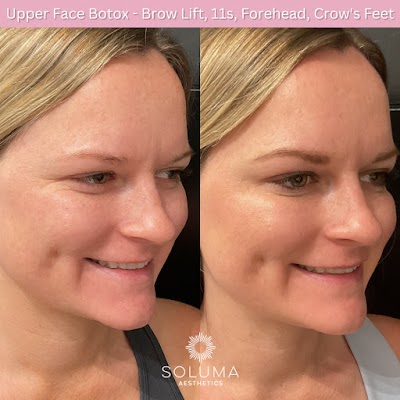
Lower-face refinement often starts with the chin and then expands as patients notice how several small tweaks add up. A conservative approach might include botox for frown lines or glabella, or a light touch for forehead lines to balance upper-face tension with the relaxed lower face. If crow’s feet or 11 lines draw the eye upward, smoothing them can create a cohesive, rested look without obvious change in any single place. Used this way, botox anti aging strategies become less about chasing lines and more about restoring harmony across the face.
If you’re curious about botox for brows or a subtle botox eyebrow lift, discuss whether your brow position and forehead muscle pattern will benefit. Each area you touch influences expression as a whole. The best plans respect how you emote and how you want to be seen.
What a thoughtful consultation covers
A good botox consultation should feel like a conversation, not a script. Expect your provider to:
- Watch you speak and animate to map mentalis activity and dimple pattern. Assess bite, lip seal, and whether masseter or platysma tension contributes to chin strain. Review medical history, previous botox or filler treatments, and your tolerance for subtlety vs. assertive smoothing.
If the plan seems rushed or the dose seems generic, ask questions. The difference between a tidy, natural result and a heavy lower face often comes down to five extra minutes of assessment and a few units of restraint.
Realistic timelines and touch-ups
Give the treatment two weeks before judging your result. If the texture is improved but still slightly active, a botox touch up with 1 to 3 units can be enough to complete the smoothing. If you feel too relaxed, check in sooner so your provider can document function and plan a lower dose next cycle. Once your sweet spot is found, your botox enhancement becomes very predictable, which takes the stress out of maintenance.
For those who like to stack treatments, spacing matters. If combining with filler for the mental crease, many practitioners prefer to relax the muscle first, then add filler one to two weeks later once the chin settles. If you’re doing energy-based treatments for skin tightening, schedule them before or at least a week after botox to reduce confounders when assessing results.
Addressing common questions
Does botox for chin dimpling affect speech? With a conservative, well-placed dose, speech feels normal. Over-treatment can make pronunciation feel slightly effortful for a few weeks. This is rare and self-limiting.
Will it make my chin look smaller? Botox reduces dynamic puckering rather than size. It does not shrink bone or erase natural projection. If anything, the chin reads cleaner and slightly more refined because the skin sits flatter.
How soon can I work out? Light exercise the same day is fine. Intense workouts are often delayed a few hours as a precaution against diffusion, though evidence is mixed. If you’re training for an event, schedule the injection on a rest day to keep the routine easy.
Can I get botox if I have filler in the chin? Yes. Sequence thoughtfully. If filler is already placed, inform your injector so needle placement avoids product migration and respects the new anatomy.
Will pores shrink? If dimpling greatly contributes to shadowing and texture, pores look smaller because the skin surface is flatter. For true pore size reduction, consider complementary skincare or micro botox strategies.
The bottom line on smooth, confident chins
Chin dimpling is a muscle story far more than a skin story. When treated with precision, botox for chin dimpling softens the orange-peel texture, relaxes the lower-face tension, and helps makeup, light, and expression sit better on your face. The treatment is quick, the downtime light, and the results reliably natural when dosing respects function. Costs track with units and expertise, and maintenance every three to four months keeps things consistently smooth.
If the chin has been a distraction in photos or a point of frustration when you speak, a thoughtful botox cosmetic plan can make that texture a non-issue. Start with a conversation, aim for the smallest dose that works, and give it two weeks to blossom. A calmer mentalis muscle often delivers more confidence than any highlighter or filter could, not by changing who you are, but by letting your expression read clearly and cleanly, dimples only where you want them.